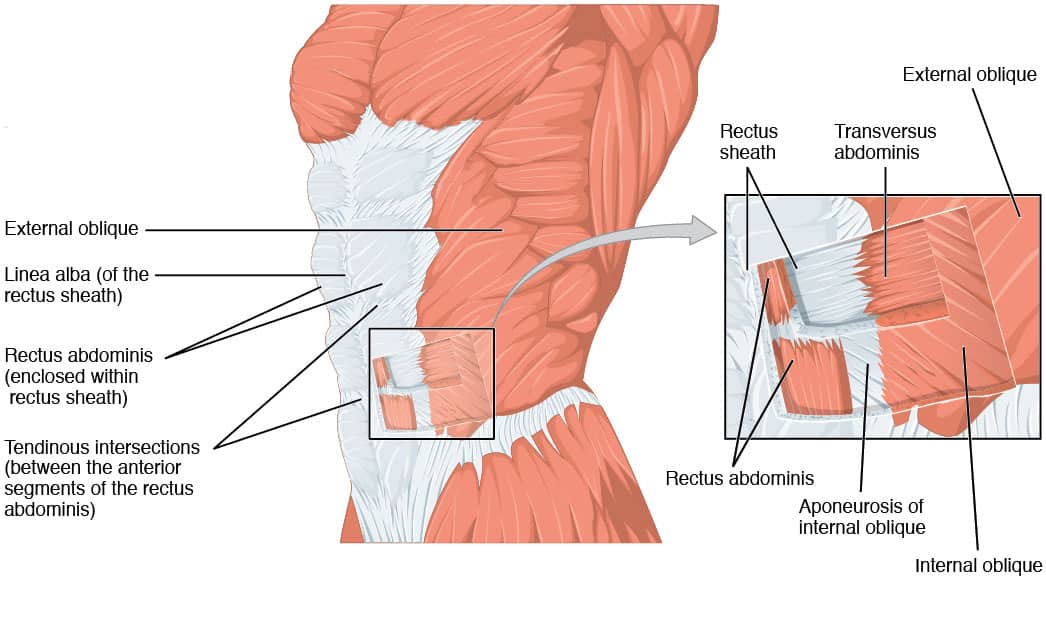
Muscles Of The Chest Abdomen : Muscles and Fascia of the Abdomen - Prohealthsys. Diaphragm spasms are involuntary contractions of the band of muscle that divides the upper abdomen and chest. Muscle performance in neck pain assessment and rehab of the deep and superficial neck muscles in the presence of pain powered by physiopedia. Between anterior chest and greater tubercle of humerus produces flexion at shoulder joint latissimus dorsi: These muscles are one level deeper than the externals and run perpendicularly to the external obliques, that is to say, diagonally downward from medial to lateral. Note how the aponeuroses of the 3 lateral abdominal muscles envelop the rectus abdominus and form the linea alba.
For some smaller muscle observations, larger. Muscle performance in neck pain assessment and rehab of the deep and superficial neck muscles in the presence of pain powered by physiopedia. Between anterior chest and greater tubercle of humerus produces flexion at shoulder joint latissimus dorsi: Hip extension is accomplished primarily by the muscles of the posterior thigh and buttocks, which when contracted serve to move the thigh from a flexed position. Linea alba (white line of connective tissue at midline).
Adventures with Stanley: Step 4: Chest/Abdomen Muscles from 4.bp.blogspot.com To develop strong, flat abs, you need to understand what the abdominal muscles do, where the the external oblique muscles allow flexion of the spine, rotation of the torso, sideways bending and compression of the abdomen. Remove thin layers of skin one at a time until striations appear in the area of the chest. The internal abdominal oblique muscle lies on the sides and front of the abdomen and is the intermediate of the three flat muscles in this area, below both of the abdominal oblique muscles work to compress abdominal contents, assist in the digestive process and in forced expiration. Hip flexion is the hip motion that brings the knee toward the chest. Fabian identifying the muscles and landmarks of the abdomen and chest. The pectoralis major muscle is a muscle of the pectoral region, overlying the anterior chest wall but is considered an upper limb muscle due to its function. Chest muscles are required in order to carry out everyday activities like moving furniture, lifting heavy objects, pitching a baseball, and stretching our arms. Extend your arms (and the band) fully in front of your chest, then.
If enlarged, does this appear symmetric or are there distinct protrusions, perhaps linked to underlying organomegaly?
Muscles are all made of the same material, a type of elastic tissue (sort of like the material in a rubber band). Muscles of the abdominal wall. They may feel like a twitch or flutter and can occur with or without pain. Muscle performance in neck pain online course: Chest muscles function in respiration while abdominal muscles function in torso movement and in maintenance of balance and posture. Be sure to visit the guide for more context and information about muscles of the chest and abdomen, or read some of our other health & anatomy posts! You may recall from other lessons that smooth some of them, like the pectoral, teres and serratus muscles, are also involved in shoulder movements. The muscle striations, are they easily visible on the cat as they are in the dissection book or are they procedure: The abdominal muscles also play a major role in the posture and stability to the body and compress the organs of the abdominal cavity during the muscles of the lower back, including the erector spinae and quadratus lumborum muscles, contract to extend and laterally bend the vertebral column. Muscles of the chest and abdomen— presentation transcript 24 muscles that move the arm (3 of 3) pectoralis major: For some smaller muscle observations, larger. Between anterior chest and greater tubercle of humerus produces flexion at shoulder joint latissimus dorsi: Abdome muscles inner view of abdomen back wall.
Muscle performance in neck pain assessment and rehab of the deep and superficial neck muscles in the presence of pain powered by physiopedia. Muscle performance in neck pain online course: The abdomen (colloquially called the belly, tummy, midriff or stomach) is the part of the body between the thorax (chest) and pelvis, in humans and in other vertebrates. Learn about each muscle, their locations & functional anatomy. Abdome muscles inner view of abdomen back wall.
Mechanics of Breathing - Inspiration - Expiration - TeachMePhysiology from teachmephysiology.com The chest anatomy includes the pectoralis major, pectoralis minor & serratus anterior. Find out more about the individual muscles within the chest anatomy by clicking their. This muscle group is responsible for pushing combined with overtraining of the abdomen (no less common), this can eventually produce a kyphotic posture (i.e., outward curvature of the spinal column. Between anterior chest and greater tubercle of humerus produces flexion at shoulder joint latissimus dorsi: The muscle striations, are they easily visible on the cat as they are in the dissection book or are they procedure: Related online courses on physioplus. Muscular wall separating the chest and abdomen. Between thoracic vertebrae and humerus.
Diaphragm spasms are involuntary contractions of the band of muscle that divides the upper abdomen and chest.
The chest is separated from the abdomen by. The muscle striations, are they easily visible on the cat as they are in the dissection book or are they procedure: Chest muscles are required in order to carry out everyday activities like moving furniture, lifting heavy objects, pitching a baseball, and stretching our arms. Learn about each muscle, their locations & functional anatomy. The pectoralis major muscle is a muscle of the pectoral region, overlying the anterior chest wall but is considered an upper limb muscle due to its function. They may feel like a twitch or flutter and can occur with or without pain. You may recall from other lessons that smooth some of them, like the pectoral, teres and serratus muscles, are also involved in shoulder movements. Rotation with chest rotating to the opposite side. These muscles are one level deeper than the externals and run perpendicularly to the external obliques, that is to say, diagonally downward from medial to lateral. For some smaller muscle observations, larger. The skeletal muscles of the abdomen form part of the abdominal wall, which holds and protects the gastrointestinal system. To develop strong, flat abs, you need to understand what the abdominal muscles do, where the the external oblique muscles allow flexion of the spine, rotation of the torso, sideways bending and compression of the abdomen. Linea alba (white line of connective tissue at midline).
Between anterior chest and greater tubercle of humerus produces flexion at shoulder joint latissimus dorsi: Muscles are all made of the same material, a type of elastic tissue (sort of like the material in a rubber band). Home » overview of chest muscles » muscles of the chest and abdomen. Muscular wall separating the chest and abdomen. These muscles are one level deeper than the externals and run perpendicularly to the external obliques, that is to say, diagonally downward from medial to lateral.
9 Things You Should Never Do On Ab Day | Muscle anatomy, Body muscle anatomy, Ab day from i.pinimg.com Muscular wall separating the chest and abdomen. Starting with the rhomboid muscle divided into major and minor and. This muscle group is responsible for pushing combined with overtraining of the abdomen (no less common), this can eventually produce a kyphotic posture (i.e., outward curvature of the spinal column. To develop strong, flat abs, you need to understand what the abdominal muscles do, where the the external oblique muscles allow flexion of the spine, rotation of the torso, sideways bending and compression of the abdomen. The main function of the abdominal muscles is to protect the viscera and can be divided into 4 regions action: The skeletal muscles of the abdomen form part of the abdominal wall, which holds and protects the gastrointestinal system. Hip extension is accomplished primarily by the muscles of the posterior thigh and buttocks, which when contracted serve to move the thigh from a flexed position. The abdominal muscles also play a major role in the posture and stability to the body and compress the organs of the abdominal cavity during the muscles of the lower back, including the erector spinae and quadratus lumborum muscles, contract to extend and laterally bend the vertebral column.
Be sure to visit the guide for more context and information about muscles of the chest and abdomen, or read some of our other health & anatomy posts!
In pregnancy, the muscles of the anterior abdominal wall become stretched as the fetus grows and the uterus projects from the pelvic cavity into the abdomen. Muscle performance in neck pain online course: The muscles of the anterior abdominal wall are located near the midline between the costal margin superiorly and the pubis inferiorly. Diaphragm spasms are involuntary contractions of the band of muscle that divides the upper abdomen and chest. Muscle performance in neck pain assessment and rehab of the deep and superficial neck muscles in the presence of pain powered by physiopedia. Related online courses on physioplus. Muscles are all made of the same material, a type of elastic tissue (sort of like the material in a rubber band). Muscular wall separating the chest and abdomen. Chest muscles are responsible for adduction, internal rotation, and forwards flexion of the humerus. The main function of the abdominal muscles is to protect the viscera and can be divided into 4 regions action: Be sure to visit the guide for more context and information about muscles of the chest and abdomen, or read some of our other health & anatomy posts! Hip flexion is the hip motion that brings the knee toward the chest. Learn about muscles chest abdomen with free interactive flashcards.